
In Office Sinus Treatment – Balloon Sinuplasty

Balloon sinuplasty is a minimally invasive procedure used to treat selected patients with chronic or recurrent sinus disease. The procedure is designed to improve drainage of the sinuses by widening the natural sinus openings without removing significant tissue.
At Advanced ENT, sinus care is provided by board-certified otolaryngologists Dr. Aaron Rogers, Dr. Andrew Golde, Dr. Steven Bomeli, and Dr. Elizabeth Wadsworth. Patients are evaluated individually to determine whether medical management, balloon sinuplasty, or traditional sinus surgery may be most appropriate based on symptoms, examination findings, and imaging results.
Chronic Sinusitis and Sinus Obstruction
The sinuses are air-filled spaces within the facial bones that normally drain through small openings into the nasal cavity. Inflammation, swelling, infection, allergies, or anatomic narrowing can interfere with this drainage and contribute to symptoms such as:
- Nasal congestion
- Facial pressure
- Recurrent sinus infections
- Postnasal drainage
- Reduced sense of smell
- Sinus headaches
- Persistent nasal obstruction
Many patients improve with medications such as nasal steroid sprays, saline irrigations, allergy treatment, or antibiotics. In some cases, symptoms continue despite appropriate medical therapy.
What Is Balloon Sinuplasty?
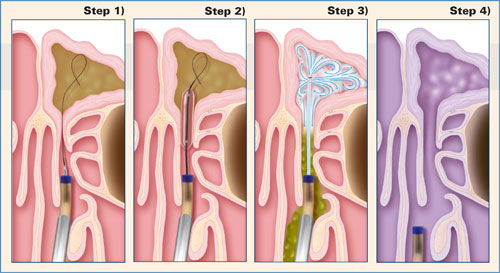
Balloon sinuplasty uses a small flexible balloon catheter to dilate narrowed sinus drainage pathways. During the procedure, a guide catheter is placed into the sinus opening using endoscopic visualization. The balloon is then briefly inflated to widen the drainage pathway before being removed.
The procedure preserves the natural anatomy of the nose and sinuses and generally does not involve tissue removal.
Balloon sinuplasty is commonly used to address obstruction involving the frontal, maxillary, and sphenoid sinuses in appropriately selected patients.
Office-Based Procedure
Many balloon sinuplasty procedures can be performed in the office under local anesthesia.
Typical procedural steps include:
- Topical and local anesthetic medication to numb the nasal cavity
- Endoscopic visualization of the nasal passages
- Placement of a balloon catheter into the sinus opening
- Brief balloon inflation to widen the drainage pathway
- Irrigation of the sinus cavity when appropriate
Procedure time varies depending on the number of sinuses treated and whether additional procedures are performed at the same setting.
Recovery
Recovery following balloon sinuplasty is generally shorter than recovery associated with more extensive sinus surgery.
Patients may experience:
- Mild congestion
- Temporary pressure sensation
- Light drainage or spotting
- Short-term nasal tenderness
Most patients resume routine daily activities within several days, although recovery experiences vary depending on the extent of treatment and other underlying sinus conditions.
CT Imaging and Image-Guided Navigation
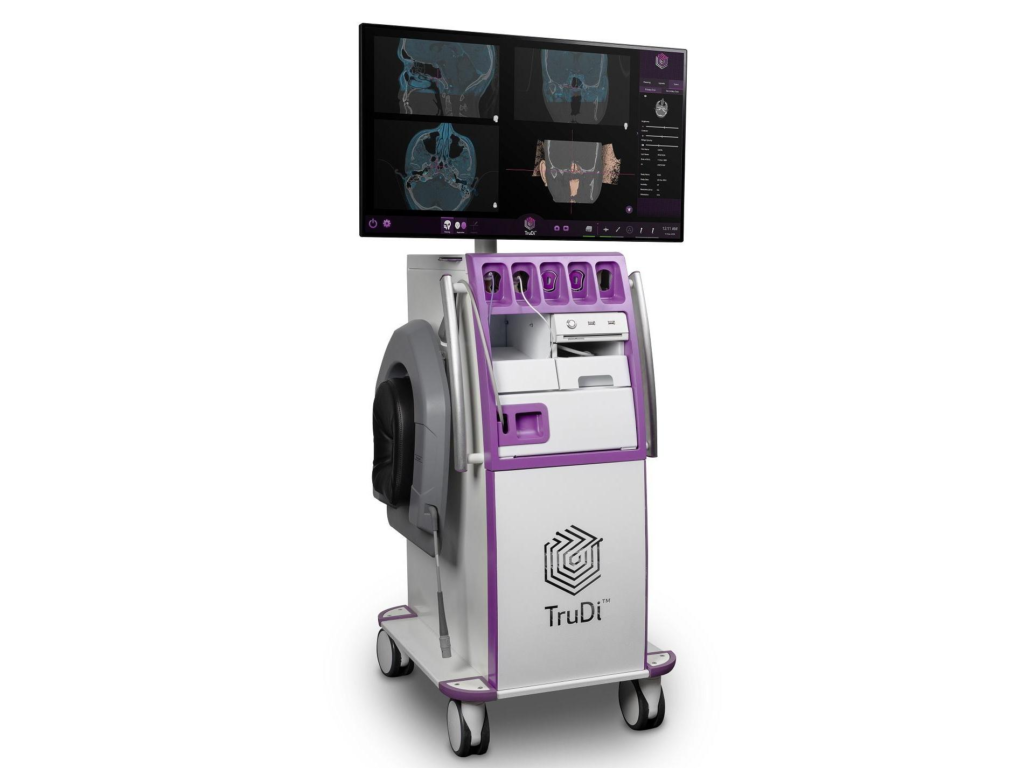
Evaluation for chronic sinus disease often includes a CT scan of the sinuses to assess anatomy and identify areas of obstruction or inflammation.
Advanced ENT also utilizes CT-guided image navigation during selected sinus procedures. This technology allows the surgeon to correlate surgical instruments with the patient’s CT anatomy in real time and may be particularly useful in complex anatomy or revision sinus surgery cases.
Balloon Sinuplasty Compared With Traditional Sinus Surgery
Balloon sinuplasty and functional endoscopic sinus surgery (FESS) are both used in the management of chronic sinus disease, but they serve different roles.
Balloon sinuplasty is generally considered less invasive and may be appropriate for selected patients with limited disease or isolated sinus obstruction.
Traditional endoscopic sinus surgery may be recommended for patients with:
- Extensive inflammatory disease
- Nasal polyps
- Significant anatomic obstruction
- Fungal sinus disease
- Certain revision surgery cases
Treatment recommendations are based on the patient’s symptoms, examination findings, imaging, and response to prior medical therapy.
Comprehensive Sinus Evaluation
Chronic sinus symptoms may be influenced by multiple factors, including allergies, environmental irritants, structural nasal narrowing, inflammatory conditions, or recurrent infections.
A comprehensive ENT evaluation may include nasal endoscopy, sinus imaging, allergy assessment, and discussion of medical and procedural treatment options depending on the clinical situation.
Not every patient with sinus symptoms is a candidate for balloon sinuplasty. A detailed evaluation, including sinus imaging when appropriate, helps determine the best treatment approach.
Patients often describe pressure rather than pain during treatment.