
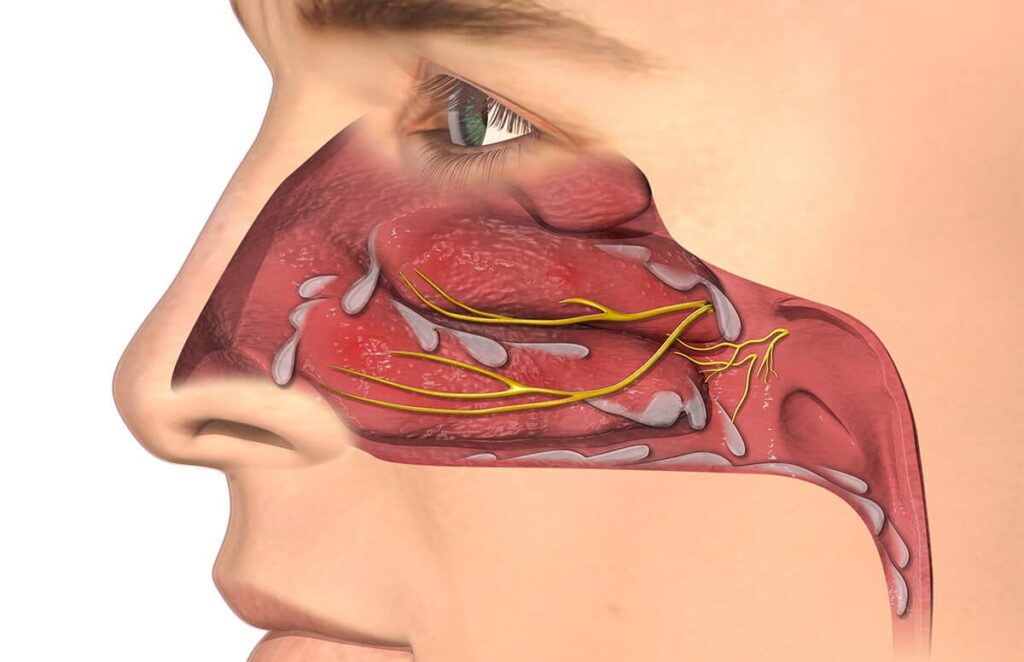
RFA for Chronic Nasal Drip / Rhinitis
A frequent runny nose, post-nasal drip, throat clearing, or nasal congestion can interfere with daily life. These symptoms are often grouped under the term chronic rhinitis. Chronic rhinitis may be related to allergies, but many patients have symptoms even when allergy testing is negative. This is often called vasomotor rhinitis or non-allergic rhinitis.
Common triggers include weather changes, temperature changes, strong odors, smoke, perfumes, cleaning products, exercise, eating, or changes in humidity. Some patients have symptoms without a clear trigger. In many cases, the nasal lining is reacting too strongly to normal environmental changes.
At Advanced ENT & Allergy, we evaluate chronic nasal symptoms carefully because several conditions can look similar. Allergies, sinusitis, nasal polyps, deviated septum, reflux, medication side effects, and chronic rhinitis can all contribute to nasal drainage or congestion. Understanding the cause helps guide the right treatment.
When Medication Is Not Enough
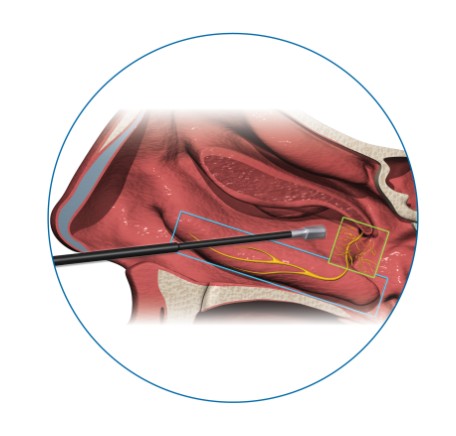
Many patients first try nasal sprays, antihistamines, allergy treatment, or sinus medications. These can be very helpful for some people. However, if symptoms continue despite appropriate medical treatment, an office-based procedure may be considered.
One option is a posterior nasal nerve procedure. The posterior nasal nerves help regulate mucus production and swelling inside the nose. In some patients with chronic rhinitis, these nerve signals are overactive. A targeted treatment of this area may help reduce symptoms such as runny nose, post-nasal drip, and congestion. Radiofrequency ablation of the posterior nasal nerve (using FDA approved electronic handpieces with video image guidance).
This type of procedure is usually performed inside the nose using local anesthesia. There are no external incisions. Most patients can return to routine activities quickly, although individual recovery can vary.
Who May Benefit?
A posterior nasal nerve procedure may be considered for patients with symptoms such as:
- Persistent runny nose
- Post-nasal drip
- Frequent throat clearing
- Chronic nasal congestion
- Symptoms triggered by weather, odors, temperature, or eating
- Ongoing symptoms despite sprays or medications
The procedure is not the right choice for every patient. A nasal exam, review of symptoms, and discussion of prior treatments are important before deciding whether it makes sense.
What to Expect at Your Visit
Your visit will usually include a detailed symptom history and nasal examination. In many cases, nasal endoscopy is used to look more closely at the nasal passages and drainage pathways. We may also discuss allergy testing, sinus imaging, or other treatments depending on your symptoms.
If a posterior nasal nerve procedure is appropriate, we will review the expected benefits, limitations, risks, alternatives, and recovery. The goal is to reduce bothersome symptoms and improve day-to-day comfort, not to completely eliminate normal nasal function.
We Can Help You Sort Out the Cause
Chronic rhinitis can be frustrating, especially when symptoms have lasted for months or years. The good news is that there are more treatment options now than simple daily medications alone. Advanced ENT & Allergy can help determine whether your symptoms are due to allergic rhinitis, non-allergic rhinitis, sinus disease, nasal anatomy, or another cause—and help you choose a practical treatment plan.
Schedule an evaluation with Advanced ENT & Allergy to discuss chronic rhinitis, persistent runny nose, post-nasal drip, or nasal congestion.